Can Dogs Eat Cashews? Yes, dogs can eat cashews but only in moderation and when served correctly. While cashews aren’t toxic to dogs like some other nuts, they are high in fat and calories, which can lead to digestive issues, obesity, or even pancreatitis if overfed. That means the occasional plain, unsalted cashew might be safe, but not all forms of this nut are pet-friendly.
So, can dogs eat cashews without any health risks? That depends on factors like your dog’s size, existing health conditions, and how the nuts are prepared. Cashews may offer small health benefits, but they also come with hidden dangers if you’re not careful.
In this article, we’ll break down everything pet owners need to know from safe serving sizes and potential risks, to healthy alternatives and what to do if your dog eats too many cashews.
Can Dogs Eat Cashews?
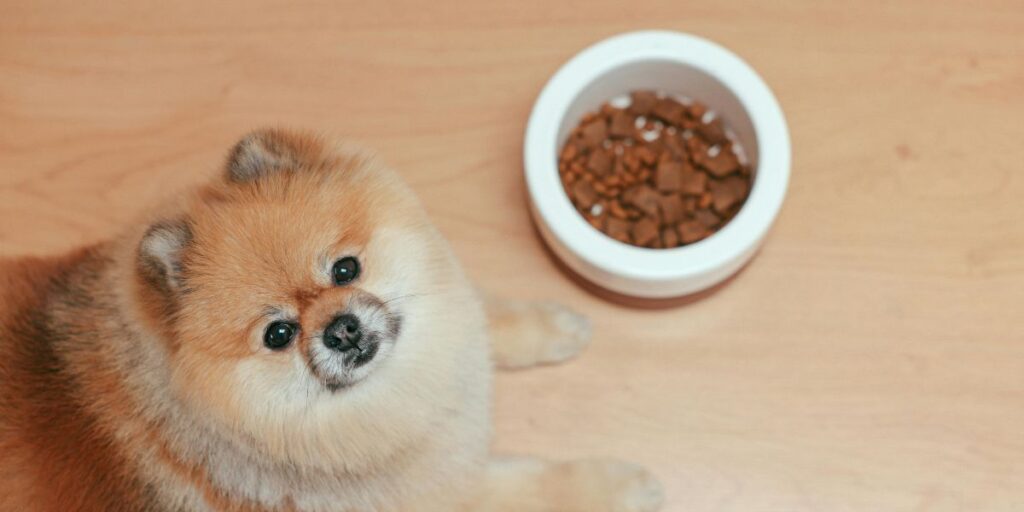
Can Dogs Eat Cashews? Yes, they can and when fed properly, cashews can be a healthy and enjoyable treat for your dog. Unlike some nuts that are toxic to pets, cashews are considered safe for dogs in small amounts. They contain valuable nutrients like protein, healthy fats, magnesium, and antioxidants that may support your dog’s overall wellness.
To keep it safe, always choose plain, unsalted cashews with no added flavors. Feed them as an occasional snack, not a daily habit. While cashews aren’t essential to a dog’s diet, they can be a fun, nutritious reward when given in moderation and with care.
Why Do Dogs Love Cashews So Much?
Dogs are naturally curious about human food, especially when it smells rich and tastes different from their regular meals. Cashews have a creamy, nutty flavor and a crunchy texture that many dogs find irresistible. Their high fat content also makes them more appealing, as dogs are drawn to energy-rich foods.
When you’re snacking, your dog sees you enjoying something and wants to join in its part of their instinct and bond with you. Cashews look and smell interesting, which grabs their attention quickly. To your dog, this little nut feels like a special reward.
Can Dogs Eat Cashews? Yes, but always in moderation. Understanding why dogs love these treats helps pet owners offer safer, healthier alternatives without sacrificing enjoyment.
How Many Cashews Can a Dog Eat?
Dogs should only eat cashews in small, controlled amounts. Although cashews are generally safe, their high fat and calorie content means portion control is important. How many cashews your dog can have depends mainly on their size and overall health.
Here’s a simple guide for safe cashew servings:
- Small dogs (under 20 lbs.): 1–2 cashews
- Medium dogs (20–50 lbs.): 2–3 cashews
- Large dogs (50–90 lbs.): 3–5 cashews
- Giant breeds (90+ lbs.): up to 6 cashews
- Feed cashews only once or twice per week, not daily
- Avoid salted, flavored, or coated cashews
- Always watch for any allergic reactions or digestive issues
Knowing how many cashews a dog can eat is just as important as understanding can dogs eat cashews in the first-place moderation and preparation make all the difference.
How to Safely Feed Cashews to Your Dog?
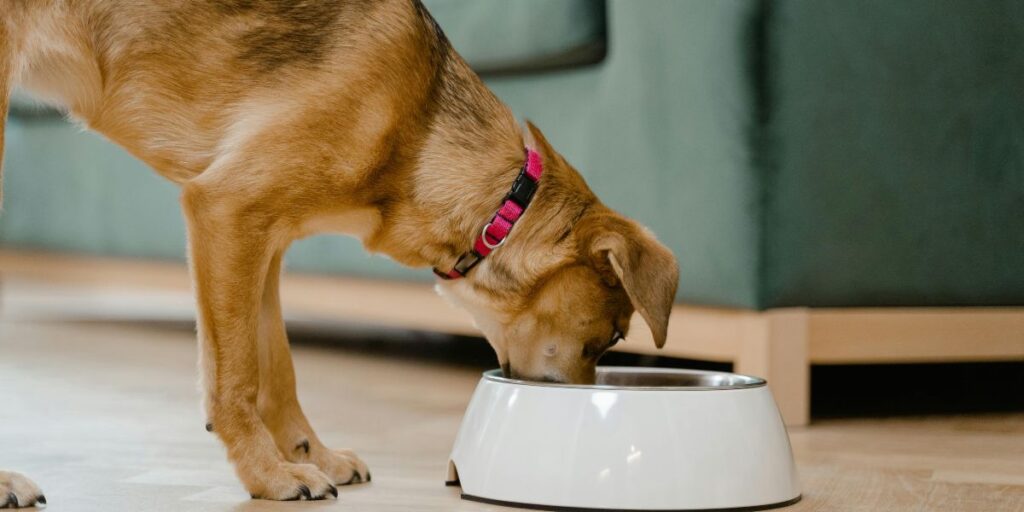
Knowing how to feed cashews safely is just as important as asking, Can Dogs Eat Cashews? While the answer is yes, proper preparation and serving size make all the difference in keeping your dog healthy and happy. Cashews can be a safe dog treat when you follow the specific, perfect strategy and steps
Choose Safe, Plain Cashews Only
Always select unsalted, unflavored, and roasted cashews. Avoid any seasoned, chocolate-covered, or raw cashews, which may contain toxins or added ingredients unsafe for dogs.
Feed in Small, Controlled Portions
Cashews are high in fat, so offer just a few pieces based on your dog’s size. Overfeeding can cause digestive issues or even pancreatitis.
Break Cashews into Smaller Bits
Whole nuts can be a choking hazard. Crush or break them into small pieces, especially for small breeds or senior dogs.
Serve as an Occasional Treat
Cashews should not be a regular snack. Use them as a reward or occasional treat — not a meal replacement. A healthy canine diet should come first.
Watch for Allergic Reactions
After feeding cashews, look out for symptoms like scratching, vomiting, or diarrhea. If any signs appear, stop feeding and consult your vet.
In short, Can Dogs Eat Cashews? Yes, but only when prepared properly and given in moderation, as part of a well-balanced treat routine.
Can Dogs Eat Cashew Nuts?
Can Dogs Eat Cashew Nuts? Yes, dogs can eat cashew nuts, but only in small amounts and under the right conditions. Cashew nuts are not toxic to dogs, making them one of the few nuts considered safe when fed properly. However, they are high in fat and calories, which can lead to weight gain or digestive upset if overfed.
Always feed plain, unsalted cashew nuts and avoid any added flavors or coatings. Cashew nuts should be treated as an occasional snack not part of your dog’s regular diet. Moderation and proper preparation are key to making them a safe, dog-friendly treat.
Can Dogs Eat Cashew Butter?
Can Dogs Eat Cashew Butter? Yes, but only in small amounts and if it’s made with dog-safe ingredients. Plain, unsalted cashew butter without added sugar, salt, xylitol, or oils can be a safe and tasty treat for dogs. It’s softer and easier to digest than whole nuts, making it ideal for small dogs or senior pets.
However, cashew butter is calorie-dense and high in fat, so portion control is very important. A small lick or spoonful occasionally is enough. Always read the label to avoid harmful additives, and never use nut butters with artificial sweeteners or flavors.
What Are the Health Benefits of Cashews for Dogs?

When served in small amounts, cashews can offer some nutritional value for dogs. These nuts contain several important vitamins and minerals that may support your dog’s overall health. However, they should only be used as a treat not a daily supplement.
Benefits cashews may provide to dogs
- Rich in healthy fats that support skin and coat health
- Contain magnesium, which supports bone and nerve function
- Provide antioxidants that help reduce inflammation
- Good source of plant-based protein for energy
- Contain copper, important for red blood cell production
- Include vitamin K, which supports proper blood clotting
Can Dogs Eat Salted, Roasted, or Flavored Cashews?
Can Dogs Eat Salted, Roasted, or Flavored Cashews? It’s best to avoid these types. While plain cashews are safe in moderation, added salt, oils, and seasonings can be harmful to your dog’s health.
Salted or flavored cashews may lead to dehydration, high sodium levels, or upset stomach. Roasted cashews cooked in oil add unnecessary fats, increasing the risk of weight gain or pancreatitis.
If you want to share cashews with your dog, always choose plain, unsalted varieties with no added ingredients. Keep processed or seasoned cashews for humans only, and stick to simple, dog-safe options for treats.
Conclusion:
So, can dogs eat cashews? Yes but only in moderation and when served plain, unsalted, and unflavored. Cashews are one of the few nuts that are non-toxic to dogs and can offer health benefits like healthy fats, antioxidants, magnesium, and protein.
However, due to their high fat and calorie content, overfeeding cashews may lead to digestive issues, obesity, or even pancreatitis. Always portion according to your dog’s size and never replace their balanced diet with treats. Avoid salted, roasted-in-oil, or flavored varieties, as added ingredients can be harmful. Whether it’s whole cashew nuts or cashew butter, the key is safe preparation and portion control.
When given correctly, cashews can be a tasty, occasional reward in your dog’s treat routine. Always monitor for allergic reactions and consult your vet if unsure.
More from Lernovex 101: