Living a Zero Waste Lifestyle simply means creating less trash and choosing habits that are better for the planet. More people today are moving toward sustainable living, eco-friendly habits, and mindful choices that help reduce waste in daily life. It’s an easy approach that focuses on doing your best, not being perfect.
This lifestyle is growing because people want cleaner homes, healthier routines, and fewer chemicals and plastics around them. A zero waste mindset brings more simplicity, less clutter, and a lighter impact on the environment.
In this article, I am going to let to know about what the zero waste lifestyle really means, how the “5 Rs” work, simple ways to start at home, daily habits to reduce waste, and how to overcome common challenges while staying consistent.
Core Idea Behind Zero Waste
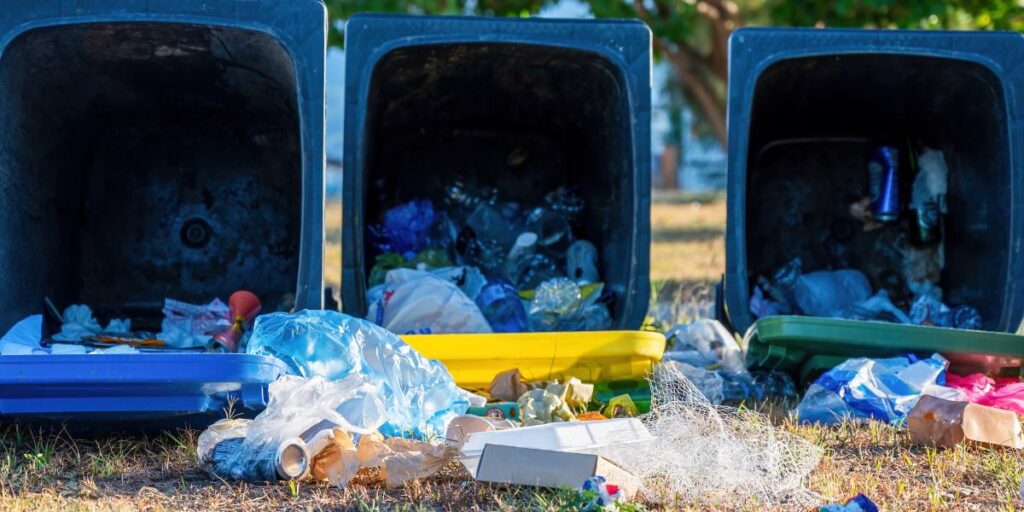
The main idea behind a Zero Waste Lifestyle is to follow simple zero waste principles that help you avoid unnecessary trash. This lifestyle encourages earth-friendly habits, mindful buying, and choosing items that don’t harm the planet. The heart of zero waste is the “5 Rs” Refuse, Reduce, Reuse, Recycle, and Rot. These steps guide you to say no to things you don’t need, use less, repurpose what you have, recycle correctly, and compost food scraps. Each step supports a cleaner, waste-free lifestyle with less stress and less clutter. Follow 5 Rs, rule, you naturally make more sustainable choices and eco-responsible habits. This simple method makes it easier to cut daily waste, save money, and enjoy cleaner, more intentional living.
Benefits of a Zero Waste Lifestyle
Zero Waste Lifestyle brings many positive changes to your daily routine and the world around you. It supports green living, lowers your impact on the planet, and helps you make healthier choices without stress.
Here are some benefits:-
- Creates less trash and reduces pollution
- Supports cleaner air, water, and soil
- Saves money by reusing items and buying less
- Encourages a plastic-free lifestyle that avoids harmful chemicals
- Lowers your environmental impact through low-impact living
- Makes your home cleaner, simpler, and less cluttered
- Helps you choose safer, natural products
- Builds long-term habits that protect the planet
These benefits show how small daily changes can create a healthier home and an eco-friendlier future.
Easy Ways to Start at Home
Starting small at home can make a big difference for the planet. Adopting a Zero Waste Lifestyle begins with simple swaps, such as using reusable bags, bottles, jars, and containers instead of single-use plastics. Choosing reusable products reduces trash and also saves money over time.
Another easy step is buying in bulk and selecting items with minimal or no packaging. Bulk shopping helps you avoid unnecessary waste and keeps your home organized.
Composting food scraps is a simple way to turn kitchen waste into rich soil for plants. By making these small changes, your home becomes cleaner, greener, and fully ready to support a lasting Zero Waste Lifestyle.
Zero Waste in Your Daily Routine
Incorporating a Zero Waste Lifestyle into daily life is easier than it seems. By making small, consistent changes, you can reduce waste, save money, and live more sustainably.
Zero Waste Bathroom Habits
Switch to bars instead of bottled soaps and shampoos. Using eco-friendly toiletries and reusable items keeps your bathroom clean and reduces single-use plastic.
Zero Waste Kitchen Practices
Plan your meals, store leftovers properly, and avoid food waste. Use reusable containers, shopping with cloth bags, and choosing products with minimal packaging supports a low-waste home.
On-the-Go Zero Waste Habits
Carry your own cup, cutlery, and reusable bag when leaving home. Adopting sustainable swaps, green routines, and conscious travel habits makes it simple to stay waste-free throughout the day.
Eco-Friendly Shopping and Product Choices
Choosing the right products is a key part of a Zero Waste Lifestyle. Start by selecting items that last longer, are reusable, or have minimal packaging. This helps reduce unnecessary waste and supports conscious consumption.
Shopping at local markets, zero-waste stores, or buying second-hand items not only saves money but also reduces your carbon footprint. Learning to read product labels and choosing natural, chemical-free options supports healthy living and a greener lifestyle.
incorporating eco-conscious habits, such as carrying your own shopping bags, avoiding single-use plastics, and choosing sustainable brands, makes everyday shopping simpler. These small steps add up, helping you live a cleaner, more intentional, and environmentally responsible life.
Traveling with a Zero Waste Lifestyle
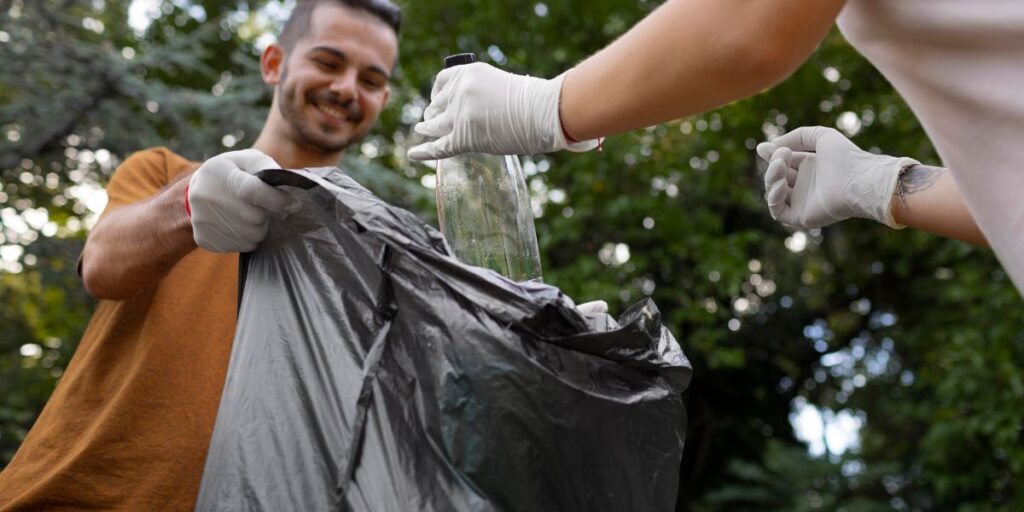
Traveling doesn’t have to create more waste. With a few simple habits, you can explore the world while staying eco-conscious. Packing reusable items like water bottles, cutlery, and shopping bags makes it easy to reduce trash on the go.
Adopting a Zero Waste Lifestyle while traveling helps you avoid single-use plastics and disposable items. Carrying travel-sized toiletries in reusable containers and bringing cloth bags for purchases are simple ways to maintain a low-waste routine.
Planning ahead also makes a big difference. Choosing eco-friendly hotels, supporting local markets, and being mindful of your environmental footprint promotes sustainable travel habits, responsible tourism, and a cleaner planet for everyone.
Zero Waste Lifestyle Tips for Families
Making eco-friendly choices as a family can be simple and rewarding. Adopting a Zero Waste Lifestyle together teaches children eco-conscious habits while reducing daily trash and supporting a sustainable home environment. Even small actions add up when everyone participates.
Tips for families:
- Involve children in sorting recyclables and composting food scraps
- Use reusable lunch boxes, water bottles, and snack bags
- Plan meals together to avoid food waste and save money
- Shop at local markets or zero-waste stores for fresh, unpackaged items
- Encourage creative DIY projects using old materials
- Choose eco-friendly toys, clothing, and school supplies
- Create routines for reusing, repairing, and donating items
Composting and Organic Waste Management
Composting is a simple and effective way to manage organic waste at home. Kitchen scraps like fruit and vegetable peels, coffee grounds, and eggshells can be transformed into nutrient-rich soil instead of ending up in landfills. This practice helps reduce methane emissions and supports a healthier environment.
Setting up a compost system is easier than most people think. You can start with a small bin in your kitchen or backyard, layering green (food scraps) and brown (dry leaves, paper) materials. Regularly turning the compost improves decomposition and creates rich, dark soil that can be used for gardens or indoor plants.
Incorporating composting into a Zero Waste Lifestyle encourages sustainable living, minimizes household waste, and promotes eco-friendly gardening habits. By turning food scraps into fertilizer, you support low-waste home practices and make your home more environmentally responsible.
Conclusion
Living a Zero Waste Lifestyle is all about making simple, mindful choices that reduce waste and protect the planet. From swapping single-use items for reusable products to composting food scraps, every small step contributes to a cleaner, healthier environment. These practical habits also encourage eco-conscious living and responsible daily routines.
Incorporating zero waste practices at home, in your daily life, while shopping, or even during travel helps lower your environmental footprint, save money, and create a more organized, clutter-free space. Adopting sustainable habits, planning meals, and choosing eco-friendly products are easy ways to get started.
Start today and take control of your impact on the planet. Embrace a Zero Waste Lifestyle and inspire your family and community to live cleaner, greener, and more intentional lives.