Have you ever wondered, Can Cats Taste Spicy like humans do? Many pet owners are curious about whether their cats can experience the flavors we enjoy. Understanding a cat’s sense of taste is essential for keeping them healthy and happy. Cats have unique feline taste buds that differ greatly from humans, making them more sensitive to meat flavors and less responsive to sweet or spicy foods.
Even though it might seem harmless to share a small bite of your favorite spicy meal, cats’ digestive systems are very delicate. Spices can cause stomach upset, vomiting, or irritation in the mouth, so knowing whether your cat can taste spicy foods is critical. By understanding their cat diet preferences, you can provide a safe and enjoyable feeding experience for your furry friend.
In this article, we will explore the sciences behind Can Cats Taste Spicy, debunk common myths, and share tips on safe foods and treats for cats. Learning how cats perceive flavors helps pet owners make informed decisions and protect their pets’ health.
How Cats Taste Food?
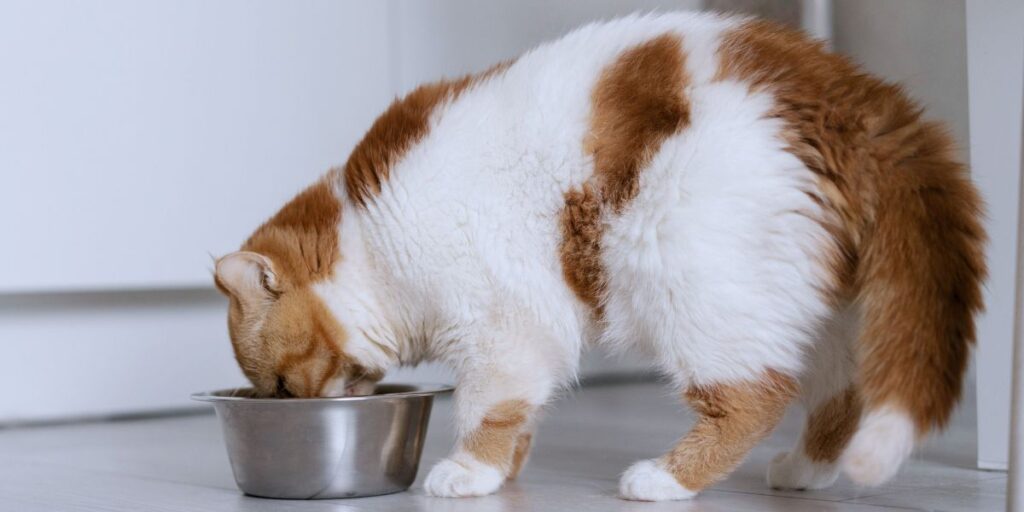
Cats experience taste in a very different way from humans due to their feline taste receptors. While humans enjoy a wide range of flavors, cats are naturally drawn to protein-rich foods that support their cat nutrition needs. Understanding Can Cats Taste Spicy is important for pet safety, as their digestive system is sensitive to strong or heavily seasoned foods. Offering meals that suit their natural preferences helps maintain their digestive health and overall well-being, while keeping them safe from foods that could cause discomfort or illness.
If you’re exploring which other foods are safe for pets, you can also read our guide on dog cashews to learn about nuts and pet safety.
Why Cats Can’t Taste Spicy Foods
Cats are very different from humans when it comes to tasting flavors. Their feline taste receptors are specialized for detecting protein-rich foods, not spicy flavors. Understanding Can Cats Taste Spicy is essential for pet owners because even though cats cannot sense the heat, spicy foods can still cause harm. Here are the main reasons why cats can’t taste spicy foods:
Lack of Capsaicin Receptors
Cats do not have the receptors needed to detect capsaicin, the chemical that makes chili peppers and other spicy foods hot. This means they literally cannot taste spiciness.
Biological Taste Preferences
Cats are obligate carnivores, meaning their taste buds are tuned for meat and protein, not spices or sweet flavors. Their natural diet makes spicy foods unappealing and unnecessary.
Digestive Sensitivity
Even if cats could “taste” spicy foods, their digestive system is sensitive. Spices can cause stomach upset, vomiting, diarrhea, and irritation, making it unsafe to feed them spicy meals.
Understanding Can Cats Taste Spicy helps pet owners choose safe foods, maintain cat nutrition, and protect overall pet health.
Health Risks of Spicy Food for Cats
Even though cats cannot taste spicy foods the way humans do, feeding them spicy meals can still be harmful. Cats’ digestive systems are delicate, and ingredients like chili, garlic, or onions can upset their stomach or cause discomfort. Understanding can cats taste spicy is important because it helps pet owners make safe food choices for their feline friends and avoid unnecessary health problems.
Some pet owners think a tiny bite of spicy food won’t hurt, but even small amounts can lead to digestive problems or irritation in the mouth and throat. Knowing the risks of spicy foods helps answer the question can cats taste spicy while keeping cats healthy and safe.
Common health risks of spicy food for cats
- Stomach upset and vomiting: Spices can irritate the digestive tract and cause nausea.
- Diarrhea: Even mild spicy foods may lead to loose stools or dehydration.
- Mouth irritation: Capsaicin and other spices can burn or irritate the mouth and throat.
- Loss of appetite: Cats may refuse to eat due to discomfort after consuming spicy food.
- Allergic reactions: Some cats may develop rashes or gastrointestinal allergies.
- Pancreatitis risk: Spicy or oily foods can increase the risk of pancreas inflammation.
- Liver and kidney strain: Repeated exposure to strong spices may affect liver or kidney function.
- Excessive drooling: Mouth irritation from spices can cause drooling or pawing at the mouth.
- Potential toxicity: Certain spices like garlic and onion are toxic and can lead to serious illness.
Common Myths About Cats and Spicy Food

Many people believe cats enjoy spicy foods, but this is not true. Cats’ taste buds are designed for meat and protein, not spices. Understanding can cats taste spicy helps pet owners make safe choices for their feline friends.
Some assume a small bite of spicy food is harmless, but even tiny amounts can upset a cat’s digestive system. Knowing the facts about can cats taste spicy keeps your pet healthy.
- Cats like spicy food, but they naturally avoid strong flavors because their taste buds focus on protein.
- Even a tiny amount of spicy food can cause vomiting, diarrhea, or mouth irritation.
- Cats cannot develop a taste for spices because their taste preferences are biologically fixed.
- Many human seasonings, especially chili, garlic, and onion, are harmful to cats.
- Spicy treats are not healthy; safe feline snacks should be protein-based and free of seasonings.
- Cats get all necessary nutrients from a balanced diet without added spices.
- They cannot sense capsaicin, the compound that makes food feel hot.
Safe Foods and Treats for Cats
Feeding your cat safe and healthy foods is essential for their overall well-being. Understanding can cats taste spicy helps you avoid harmful ingredients and focus on feline friendly options. Cats thrive on a diet that is high in protein and easy to digest.
Protein-rich foods such as cooked chicken, turkey, or fish without any seasoning are ideal. These options support strong muscles, healthy skin, and a shiny coat. Commercial cat treats are also designed to meet nutritional needs while being safe for their digestive system.
Vegetables like carrots, pumpkin, and peas can be offered in moderation. They provide extra fiber and vitamins without exposing cats to spices or harmful seasonings.
Always check labels and avoid foods containing garlic, onions, chili, or other spices. By choosing the right foods and treats, you maintain a balanced nutrition plan that ensures your cat’s digestive wellness and long term health. Knowing can cats taste spicy helps pet owners make safer choices for their furry friends.
Top healthy food for cats:-
| Healthy Food for Cats | Serving Suggestion / How to Offer |
| Cooked chicken | Shredded or diced, plain, no seasoning |
| Cooked turkey | Small chunks, plain, no seasoning |
| Cooked lean beef | Small pieces, plain, fully cooked |
| Cooked fish (salmon, tuna) | Flaked, boneless, no seasoning |
| Eggs (scrambled or boiled) | Plain, no oil or seasoning |
| Pumpkin | Steamed or boiled, plain, mashed |
| Carrots | Steamed, boiled, or grated small pieces |
| Green beans | Steamed or boiled, cut into small pieces |
| Peas | Cooked or steamed, small portions |
| Zucchini | Steamed, boiled, or raw in tiny pieces |
| Sweet potatoes | Cooked, plain, mashed or diced |
| Rice | Cooked plain, small spoonful |
| Oatmeal | Cooked plain, no sugar or milk |
| Plain yogurt | Unsweetened, low-fat, 1–2 tsp at a time |
| Cottage cheese | Low-fat, small portions |
| Blueberries | Fresh, small pieces |
| Apples | Peeled, sliced, remove seeds |
| Watermelon | Seedless, small bite-sized pieces |
| Cantaloupe | Seedless, small pieces |
Signs Your Cat Ate Something Harmful
Even though cats cannot taste spicy foods, they can still get sick from eating harmful ingredients. Knowing can cats taste spicyhelps you avoid foods that may cause health problems. Watch for these warning signs if your cat has eaten something unsafe:
- Vomiting or frequent gagging
- Diarrhea or loose stools
- Excessive drooling or pawing at the mouth
- Loss of appetite or refusal to eat
- Lethargy or unusual tiredness
- Swelling or redness around the mouth
- Difficulty breathing or coughing
- Abdominal pain or bloating
- Tremors or shaking
- Sudden behavioral changes, like hiding or aggression
If you notice any of these signs, contact your veterinarian immediately. Early attention can prevent serious complications and keep your cat safe and healthy
Conclusion
Understanding can cats taste spicy is essential for every cat owner. While cats cannot sense the heat in spicy foods, these ingredients can still harm their digestive system and overall health. Being aware of the risks helps pet owners make safe food choices and protect their furry friends from unnecessary discomfort.
Providing a safe diet with protein-rich foods, healthy vegetables, and specially formulated cat treats supports feline health, digestive wellness, and balanced nutrition. Avoiding spices, garlic, onions, and other harmful ingredients ensures your cat stays happy, energetic, and free from health problems.
Always watch for signs that your cat may have eaten something harmful, such as vomiting, diarrhea, or unusual behavior. By knowing can cats taste spicy and offering safe foods, you can keep your cat healthy, satisfied, and thriving every day.