Esports is more than just fast reflexes or individual skill. Success in competitive gaming comes from teamwork, planning, and coordination. This is why Esports Team Strategies are so important. They help players understand their roles, work together efficiently, and make smart decisions during matches.
A well-planned strategy ensures that each team member knows what to do, communicates clearly, and supports others at the right moment. Without proper strategies, even the most skilled players can struggle to win against organized opponents.
In this article, you will learn the essential Esports Team Strategies in a simple, easy-to-understand way. We will cover team roles, communication, map control, objective-based play, practice routines, and common mistakes to avoid.
What Are Esports Team

An esports team is a group of players who work together in competitive gaming to achieve common goals and win matches. These teams rely on strong teamwork, clear communication, and well-planned Esports Team Strategies to perform at their best. Each player usually has a specific role or responsibility, such as attacking, defending, or supporting teammates. By combining individual skills with team coordination, esports teams can execute strategies effectively, dominate games, and improve their chances of success in tournaments and online competitions.
Importance of Esports Team Strategies
Strong Esports Team Strategies are essential for any competitive gaming team. They help players understand their roles, communicate clearly, and coordinate effectively during matches. Without proper strategies, even skilled players can make mistakes and lose opportunities.
Good strategies improve teamwork and decision making. Teams can control key areas, support each other, and react quickly to opponents’ moves. Clear strategies also help manage resources and plan attacks or defenses efficiently.
Esports Team Strategies allow teams to adapt and improve over time. Practicing, reviewing past matches, and refining strategies ensures consistency, better performance, and higher chances of winning tournaments.
Team Roles in Esports
In esports, every player has a specific role that contributes to overall team success. Strong Esports Team Strategies rely on clear roles so each player knows what to do during matches. Proper roles improve teamwork, communication, and coordination, helping teams perform consistently in competitive gaming.
Common esports team roles include:
- Leader (IGL): Makes strategic decisions and directs the team
- Attacker/Entry: Initiates fights and creates opportunities
- Support: Assists teammates with healing, buffs, or utility
- Defender/Anchor: Holds key areas and protects objectives
Communication Strategies in Esports Teams
Effective communication is a key part of Esports Team Strategies. Teams that share information clearly and quickly can coordinate better, make faster decisions, and respond to opponents’ actions during matches. Communication ensures that every player understands their role and responsibilities, which strengthens teamwork and overall coordination.
Good communication also involves using simple callouts for enemy positions, updating teammates about objectives, and discussing strategy before and during matches. By practicing clear and consistent communication, teams can avoid mistakes, execute strategies more efficiently, and maintain control in competitive gaming situations.
Map Control and Positioning

In competitive gaming, mastering Map Control and Positioning is a vital part of successful Esports Team Strategies. Teams that control key areas of the map can secure objectives, dominate important zones, and predict enemy movements. Proper positioning allows players to support each other, coordinate attacks, and maintain a tactical advantage throughout the match. Focusing on map awareness and smart positioning not only improves team coordination but also enhances decision-making, reduces risks, and increases the chances of winning consistently in tournaments and competitive matches.
Mental Strength and Team Discipline
Mental strength plays a major role in successful Esports Team Strategies. Competitive matches can be intense, and pressure can affect performance. Teams with strong mental discipline stay calm, focused, and confident even in high-stress situations.
Team discipline includes following strategies, respecting leadership decisions, and maintaining positive communication. Avoiding frustration, blaming teammates, or giving up early helps teams perform more consistently. A strong mindset improves decision-making, teamwork, and overall competitive results.
Practice and Scrim Planning
Effective practice and scrim planning are essential for developing strong Esports Team Strategies. Regular practice helps teams improve coordination, communication, and execution of tactics. Scrims, or practice matches against other teams, allow players to test strategies in realistic competitive environments.
Structured practice sessions should focus on specific goals such as map control, role coordination, or communication improvement. Reviewing gameplay footage after scrims helps identify mistakes and areas for improvement. Consistent practice and well-planned scrims lead to better teamwork and long-term success.
Adaptation and In-Game Strategy
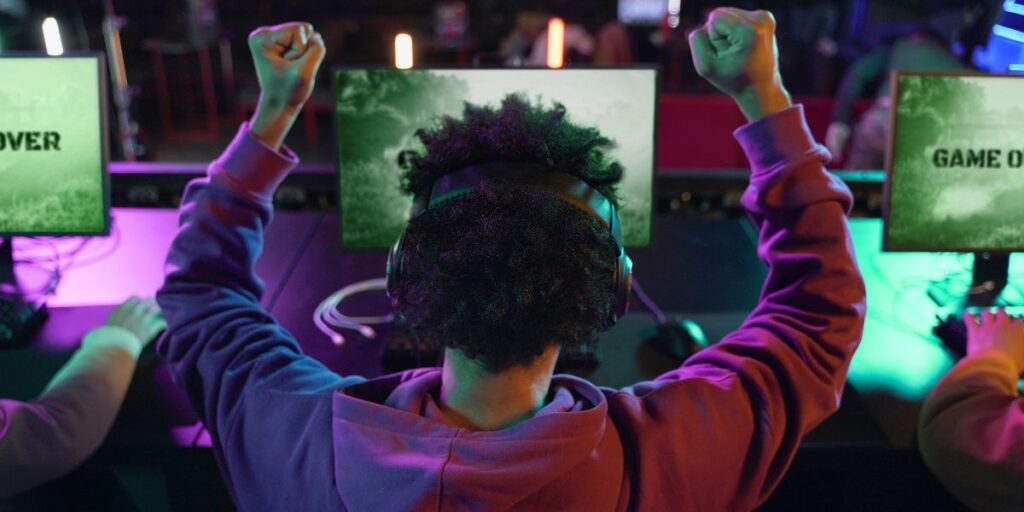
Adaptation is important for winning competitive matches. Strong Esports Team Strategies help teams adjust their gameplay when plans change. Teams must react quickly to opponents, map situations, and unexpected problems during a match.
Good in-game decisions allow teams to stay ahead. Flexible Esports Team Strategies improve coordination and performance.
Key points
- Adjusting tactics during the match
- Reading opponent behavior
- Changing attack or defense plans
- Switching player positions
- Improving communication in real time
- Staying calm under pressure
- Learning from mistakes quickly
Esports Team Strategy Mistakes
Many teams lose matches due to common planning errors. Poor execution and lack of coordination can weaken even skilled players. Avoiding these issues is essential for improving Esports Team Strategies.
- Poor or unclear communication
- Ignoring assigned team roles
- Lack of coordination during fights
- Not adapting to opponents
- Inconsistent practice routines
Improve Esports Team Strategies
Improving teamwork and planning helps teams perform better in competitive matches. Small changes can make a big difference in consistency and results when refining Esports Team Strategies.
- Set clear roles for each player
- Practice communication regularly
- Review matches to find mistakes
- Stay flexible during gameplay
- Build strong team trust and discipline
Conclusion
This article explained how teamwork and planning shape success in competitive gaming. We discussed the meaning of esports teams, the importance of clear roles, strong communication, and smart map control. The article also covered mental strength, disciplined practice, adaptation during matches, and common mistakes teams should avoid. Each section focused on helping teams play more organized and confident games. By understanding and applying these principles, teams can improve coordination, reduce errors, and perform more consistently. Using the right Esports Team Strategies allows teams to grow together, handle pressure better, and achieve stronger results in tournaments and competitive matches.