Eating out in the U.S. can be tricky if you are trying to eat healthy. Many people wonder, is hibachi healthy meal for weight loss. With grilled meats, fresh vegetables, and shrimp, hibachi can be tasty, filling, and good for your diet when chosen wisely.
Not all hibachi meals are equal. Some come with fried rice, buttery sauces, and large portions that add extra calories. By choosing lean proteins, extra vegetables, and lighter sauces, you can make hibachi a satisfying and weight loss-friendly meal.
This article will explain the nutrition of hibachi meals, highlight the best options for weight loss, and show how hibachi healthy meal for weight loss compares to other popular meals in the U.S. By the end, you will know how to enjoy hibachi without compromising your health goals.
What is Hibachi?
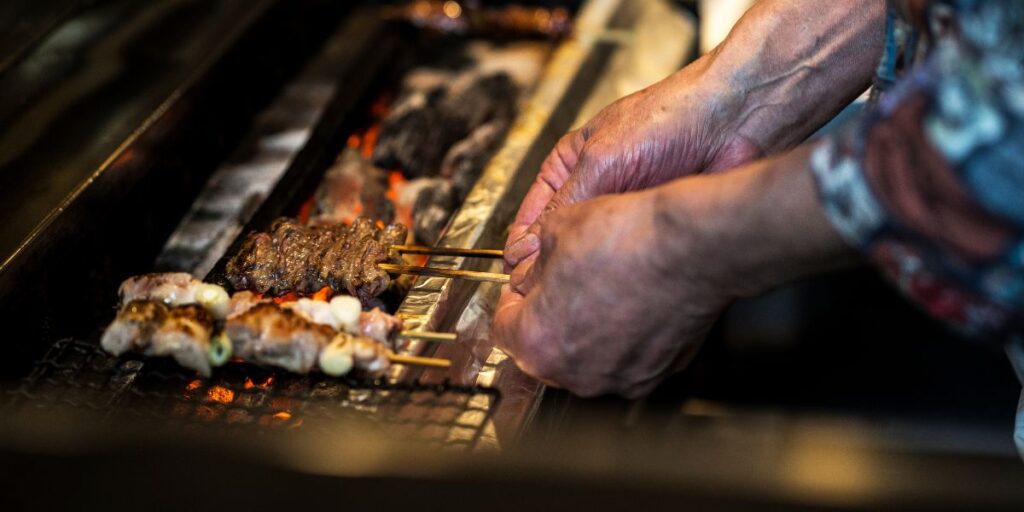
Hibachi is a popular style of Japanese cooking that has become very common in the U.S. It involves grilling meat, seafood, and vegetables on a hot iron plate, often right in front of diners. The food is fresh, flavorful, and cooked quickly, which helps retain nutrients. Many people love hibachi not only for its taste but also for the fun and interactive dining experience.
When exploring similar light meal options, some people also look into fast food choices that fit balanced diets. These comparisons can help you understand how hibachi stands apart as a more nutrient-rich alternative.
If you are wondering is hibachi healthy, it is important to focus on what you order. Lean proteins like chicken, shrimp, or steak paired with fresh vegetables provide protein, fiber, and essential vitamins, which can support weight loss.
However, some hibachi meals include fried rice, butter, and heavy sauces that add extra calories. Choosing grilled proteins, steamed vegetables, and light sauces makes hibachi a satisfying and weight loss-friendly meal. By making smart choices, hibachi can be a tasty option without harming your diet goals.
Is Hibachi Healthy for Weight Loss?
Is hibachi healthy for weight loss? The answer is yes, if you make smart choices.
Hibachi meals are usually grilled and cooked quickly, making them lighter than fried or heavily processed foods. They are also high in protein, which helps you feel full and reduces unnecessary snacking.
Hibachi often includes lean proteins and fresh vegetables, which provide fiber, vitamins, and minerals. Fiber and protein help:
- Control hunger
- Improve digestion
- Support steady energy
All of these benefits make hibachi a satisfying meal that can fit easily into a calorie-controlled diet. adding variety to your weekly menu can make healthy eating easier. After enjoying hibachi, you can satisfy your sweet cravings with simple healthy desserts that align with your fitness goals.
Tips for making hibachi weight loss-friendly
- Choose lean proteins: chicken, shrimp, or tofu
- Add extra vegetables: zucchini, mushrooms, broccoli
- Limit fried rice or swap it for steamed rice
- Use sauces lightly: soy sauce or garlic sauce in moderation
- Watch portion sizes: avoid oversized servings
When you follow these tips, hibachi can be a healthy, delicious choice, proving that is hibachi healthy is a question with a positive answer for those aiming to lose weight.
Nutritional Profile of Hibachi Meals
Is hibachi healthy? understanding the nutritional profile of hibachi meals is essential. Hibachi is a popular Japanese-style dining experience that typically includes grilled proteins, fresh vegetables, and rice or noodles, offering a balance of nutrients for a wholesome meal.
Here’s a closer look at what a typical hibachi meal contains:
- Lean Protein: Choices like chicken, shrimp, steak, or tofu provide high-quality protein, which supports muscle growth, satiety, and weight management. Protein also helps control cravings, making hibachi a smart option for those monitoring calorie intakes.
- Grilled Vegetables: Zucchini, mushrooms, broccoli, carrots, and onions are staples in hibachi meals. They are rich in fiber, vitamins, and minerals, supporting digestion, boosting immunity, and keeping you full longer.
- Carbohydrates: Many hibachi meals include fried rice or noodles. While these provide energy, they can also increase calorie content. Swapping for steamed rice or extra vegetables makes your meal lighter and more suitable for weight loss-friendly eating.
- Healthy Fats: Hibachi often uses butter or cooking oils in sauces. Opting for light sauces or minimal added fats helps keep the meal balanced and calorie-conscious.
- Micronutrients: The combination of vegetables and proteins provides essential vitamins A, C, and K, along with minerals like iron, magnesium, and potassium, supporting overall health and energy levels.
- Balanced Choices: By focusing on portion sizes and nutrient-rich ingredients, you can ensure your meal is satisfying and nutrient-packed. This approach clearly shows is hibachi healthy for those aiming to maintain a balanced diet.
To further enhance your nutrition plan, it’s helpful to know about pre-run meals that boost energy and metabolism, especially if you combine hibachi with regular workouts.
Is Hibachi High in Calories?
Is hibachi healthy? When trying to lose weight, it depends on what you order. Lean proteins like chicken, shrimp, or tofu paired with vegetables are lower in calories, usually around 300–500 calories per meal, and support weight loss. However, fried rice, noodles, butter, and heavy sauces can raise the total to 600–1,000 calories or more. By choosing steamed rice, extra vegetables, and light sauces while controlling portion sizes, hibachi can be a satisfying, low-calorie meal that fits easily into a weight-loss plan.
Are Hibachi Meals High in Carbs?
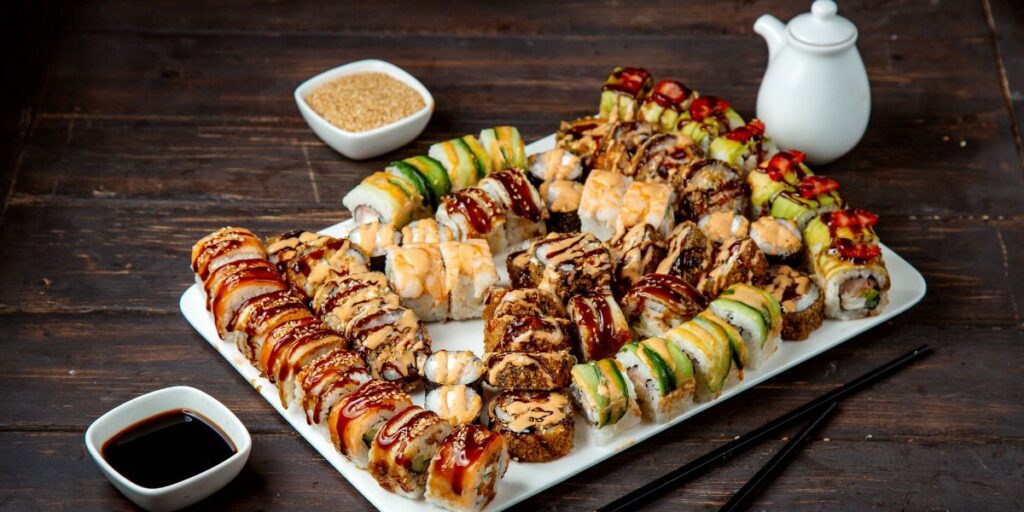
Hibachi meals can be high in carbohydrates depending on what you choose. Fried rice or noodles can add 40–70 grams of carbs per serving, which may impact calorie intake for weight-loss plans. On the other hand, lean proteins like chicken, shrimp, or tofu combined with vegetables are naturally low in carbs and filling. For those wondering is hibachi healthy for weight loss, the answer is yes by swapping fried rice for steamed rice, adding extra vegetables, and focusing on protein, you can enjoy a low-carb, nutrient-rich, and satisfying meal.
Hibachi Nutrition Facts
Understanding the nutritional content of hibachi meals can help you make informed choices. While exact numbers vary by restaurant and portion size, a typical hibachi plate with lean protein, vegetables, and a moderate portion of rice contains:
- Calories: 400–700 kcal
- Protein: 25–40 grams
- Carbohydrates: 30–60 grams
- Fat: 10–25 grams
- Fiber: 5–10 grams
- Sodium: 800–1,500 mg
Hibachi can be a nutrient-rich, protein-heavy meal if you skip or reduce fried rice and heavy sauces. Lean proteins and vegetables keep it balanced and suitable for weight management, showing that is hibachi healthy depends on the choices you make.
Best Hibachi Meals for Weight Loss by Healthiness
Choosing the right hibachi meal is best for weight loss.
Here are the best options:
- Chicken Hibachi with Vegetables: Low in calories, high in protein.
- Shrimp Hibachi with Vegetables: Lean, nutrient-rich, and filling.
- Tofu Hibachi with Vegetables: Plant-based, low-calorie, and fiber-rich.
- Steak Hibachi with Steamed Vegetables: Choose a smaller portion for a balanced meal.
- Scallops or Fish Hibachi with Vegetables: Light, protein-packed, and weight-loss-friendly.
- Combination Hibachi with Lean Protein and Extra Veggies: Skip fried rice for a healthier choice.
These meals are nutrient-dense, low-calorie, and perfect for weight-loss goals.
Conclusion
Hibachi can be a healthy meal for weight loss when you make smart choices. By focusing on lean proteins like chicken, shrimp, or tofu, adding plenty of vegetables, swapping fried rice for steamed rice, and using sauces lightly, you can enjoy a flavorful, nutrient-rich meal without consuming too many calories. Compared to other U.S. restaurant meals, hibachi offers high protein, fiber, and essential vitamins while keeping unhealthy fats and excess carbs under control. Overall, is hibachi healthy depends on your selections, portion sizes, and mindful choices, making it a delicious and weight-loss-friendly option for anyone aiming to eat well and maintain a balanced diet.